
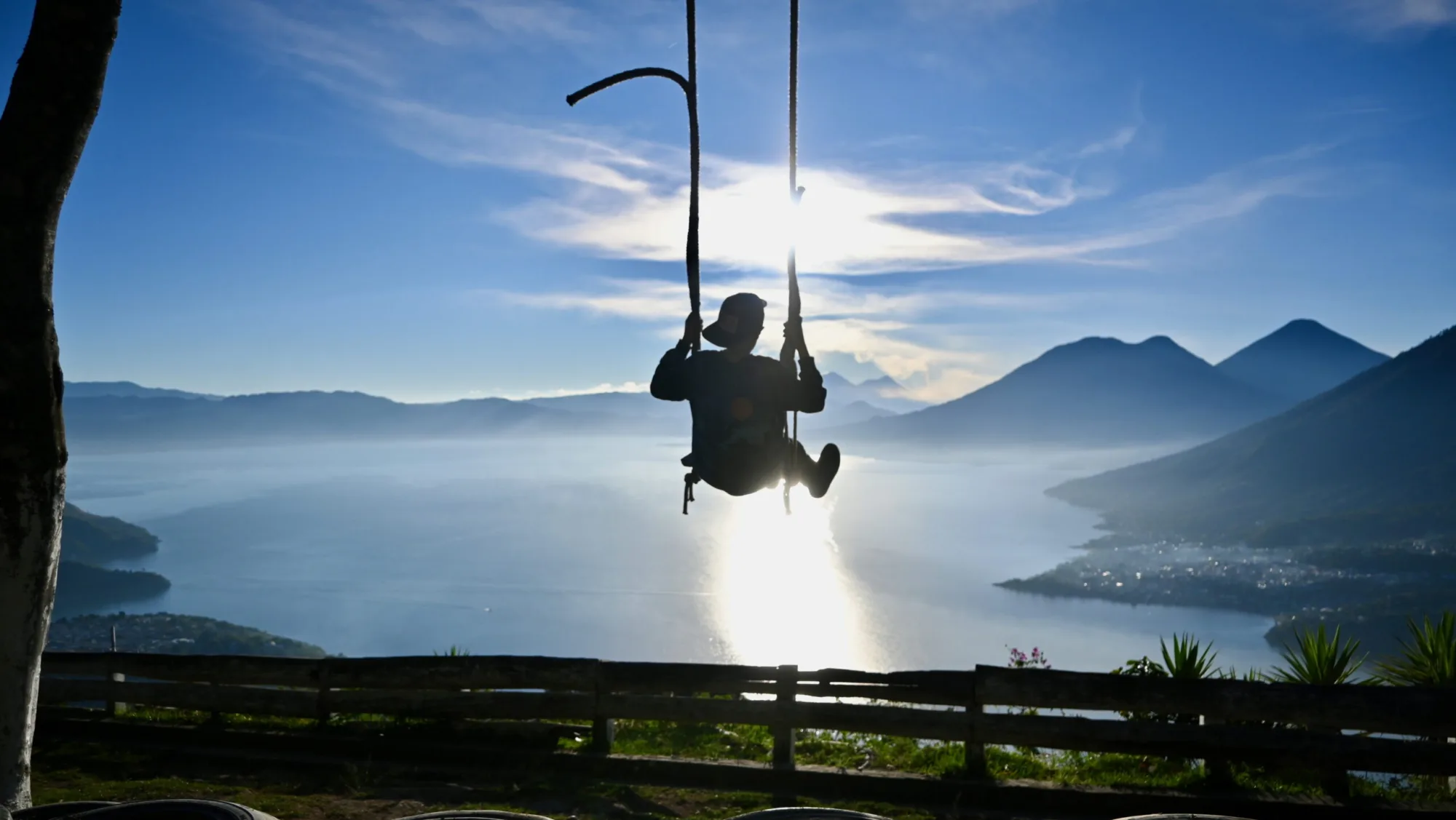

When we travel we like to go slow.
Sure, if we’re in an area where there are must-see attractions, historical sites or parks we’ll spend some time there. Sometimes we’ll even join the masses in a touristy spot or book a private tour but those are usually blips in our travel journey.
This approach has some clear benefits. First, there’s the cost. Slow-travel makes full-time travel much more approachable because, well… flights are expensive. Eating out is expensive. Everything is more expensive if you’re rushing. Being able to stock up on groceries means eating out less, and sometimes you can claim temporary local status to avoid those double (or triple) tourist tuk-tuk fares.
Another benefit to slow travel is a deeper immersion into the local community. When traveling full-time, it’s really tough to feel rooted – you’re perpetually a “transplant” and while a plant can survive as a transplant, there’s limited growth potential because the roots just aren’t deep enough. Just like a plant, transplanting from one pot to another is always a shock to the entire plant system. Even if the soil conditions are perfect, the roots were handled with care and the right amount of nutrients, water and sunlight were administered during the process, the plant needs time to adjust.
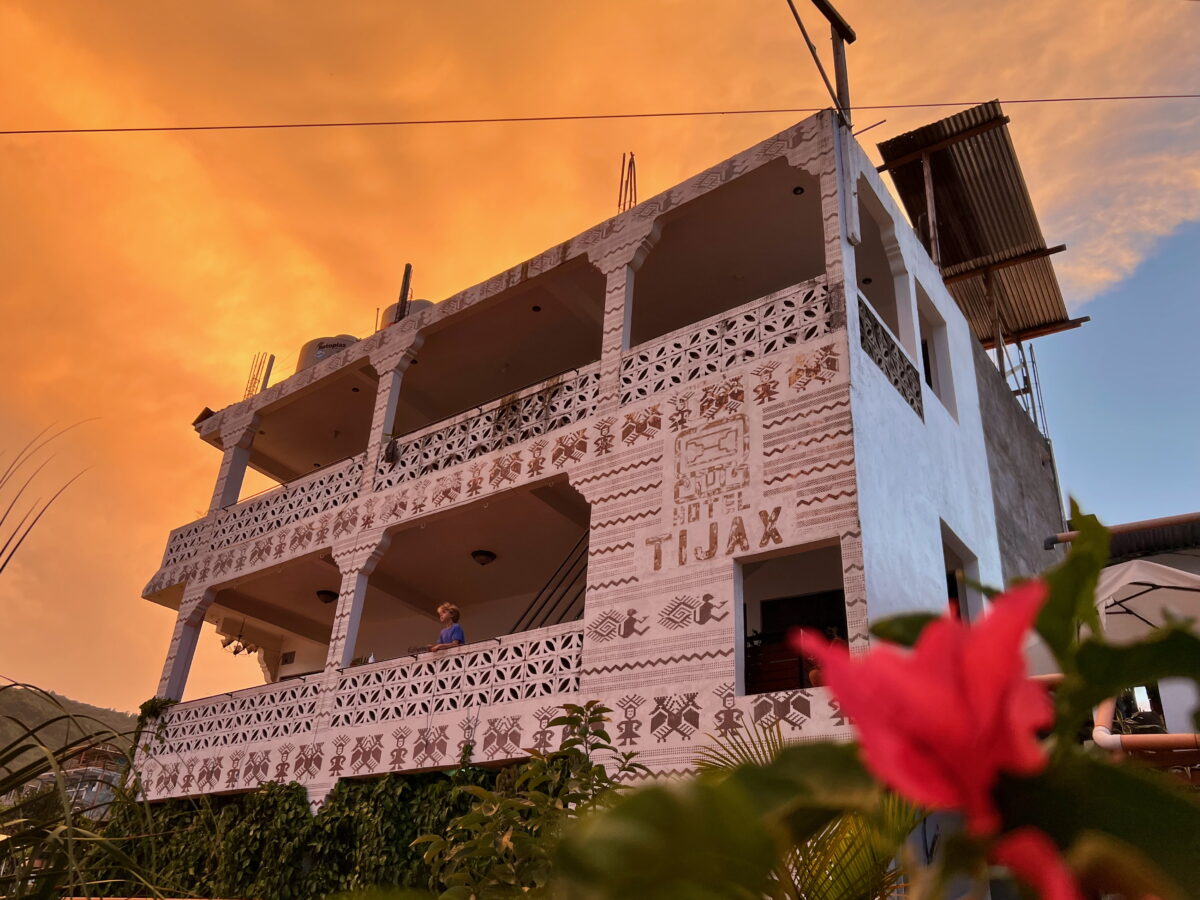
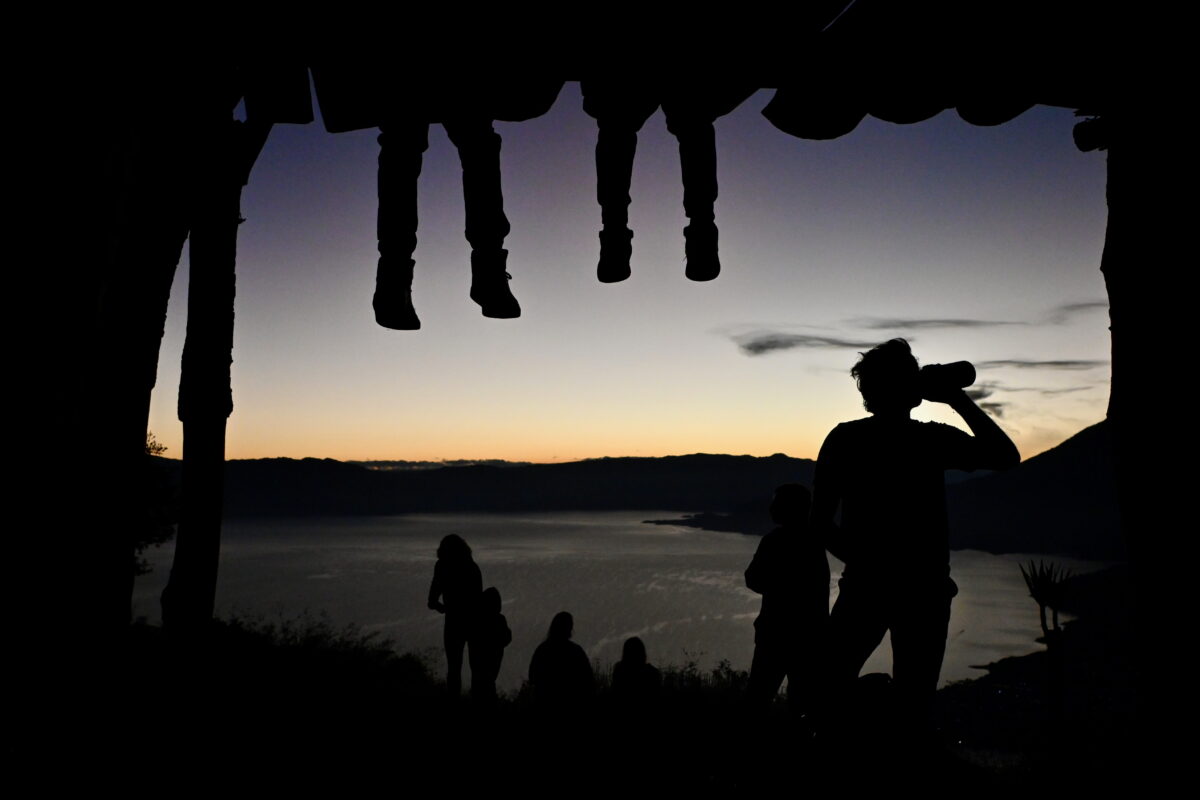
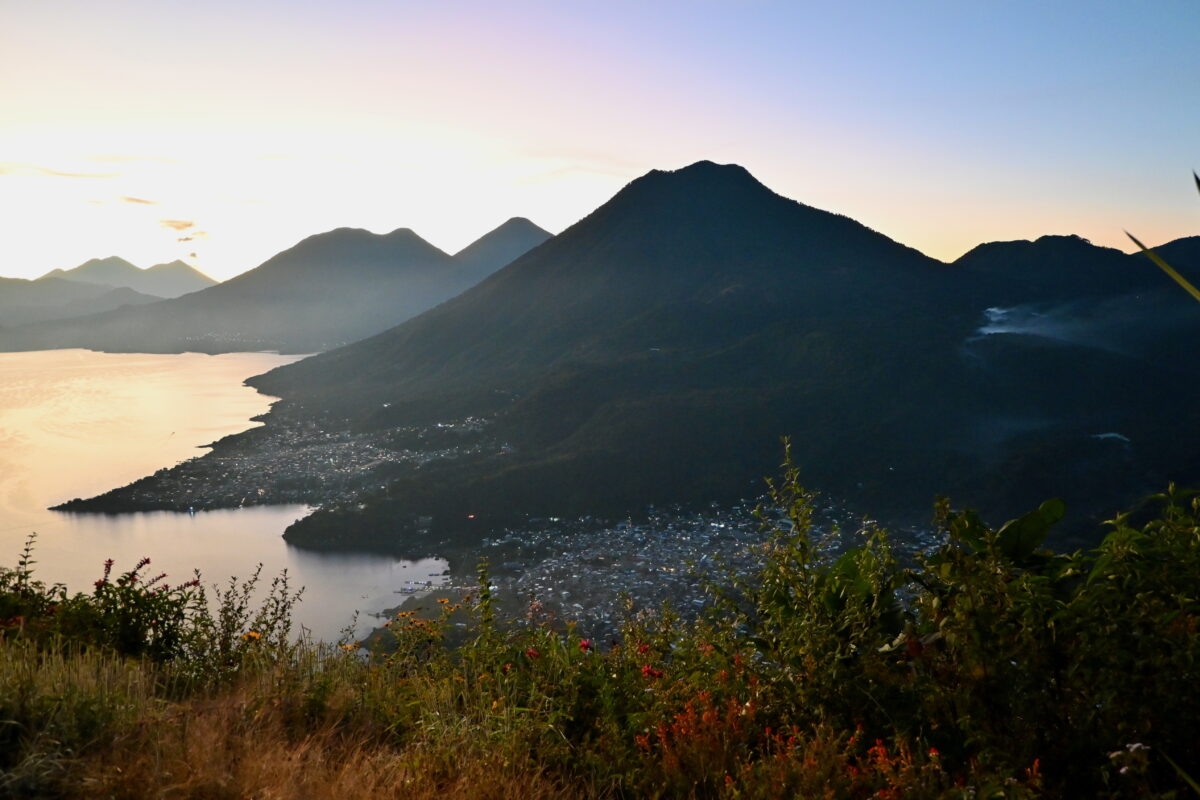
The longest we’ve stayed in one spot while traveling full time was in Guatemala. We had just began our journey as a word schooling family and wanted a place to internalize that decision so we wanted a place that would be a gentle introduction to life outside of what’s “normal” or “expected.” We also wanted to immerse ourselves in a new culture and decided to stay in Guatemala for three months as a kickoff to our travels through South and Central America. What were we getting into exactly? No idea. I mean, we did some research, we asked ChatGPT some questions and read up on what it might be like, but the thing about the way we prefer to travel (slow-travel) is there’s not a lot of blog posts and YouTube videos from people who are just living life. They find a good shot of a trail or beach when nobody else is around and claim solitude. Or they share a walkthrough of their boutique hotel and lead you to believe all lodging in the area is the same. We want to know how the locals live. We want to meet the locals. We want to live more like the locals.
Thankfully, we found a world schooling hub called Culture Chalk that was willing and able to host us for that amount of time. If you aren’t familiar with the concept of a worldschooling “hub,” it’s a little like a group retreat with other like-minded people who share activities and often housing. They typically have programs set up for the kids during the day so parents can work while traveling. The founders of Culture Chalk also aligned well with our desire to be part of – and immersed in – community. Their “Old School” program was structured in a way that allowed our kids to learn from local Guatemalan people and contribute back to the community they had built. It was fresh, nutrient-dense soil just waiting for us to root into.
Every month at the hub contained a mix of weekly activities, intentional cultural immersion events and field trips which were all covered with the cost of the hub and included airport transfers, breakfasts, lodging and hot Guatemalan coffee in the mornings. The program was called “Old-School” because it featured classes such as shoemaking, weaving, welding, cooking and carpentry that offered kids the opportunity to learn a traditional skill that they simply would never learn in traditional school.
Here are a few more of our favorite things about our time at the Culture Chalk Old School hub:
- Our kids were able to make lifelong friendships with other kids at the hub (we’re meeting a few later this year)
- The Lake Atitlan location offered so much variety in a very traditional setting
- The hub and local hotel staff were all amazing and kind, and loved on our kids as if they were family
- Boat trips to other pueblos (towns) around the lake were organized by Culture Chalk
- Fun and unique adventures beyond the lake (such as a night at a volcanic hot spring in the mountains) were arranged for the entire group to experience together
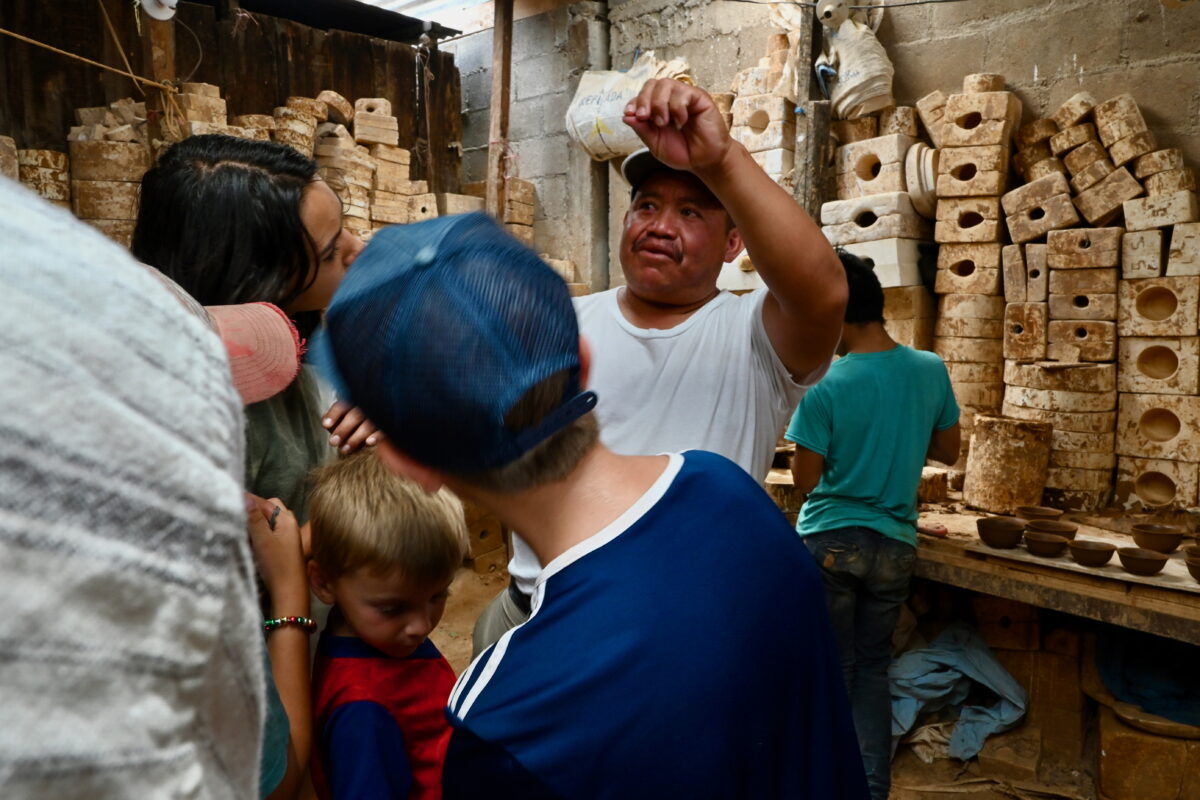
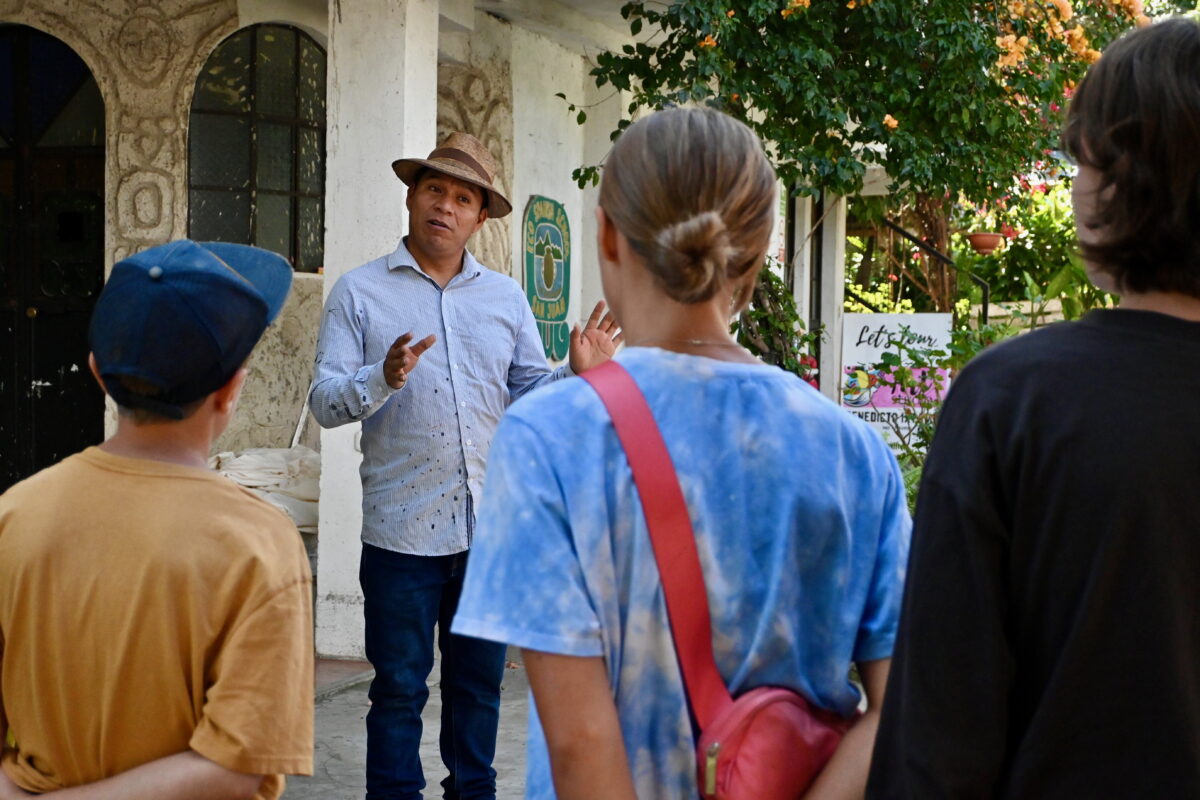
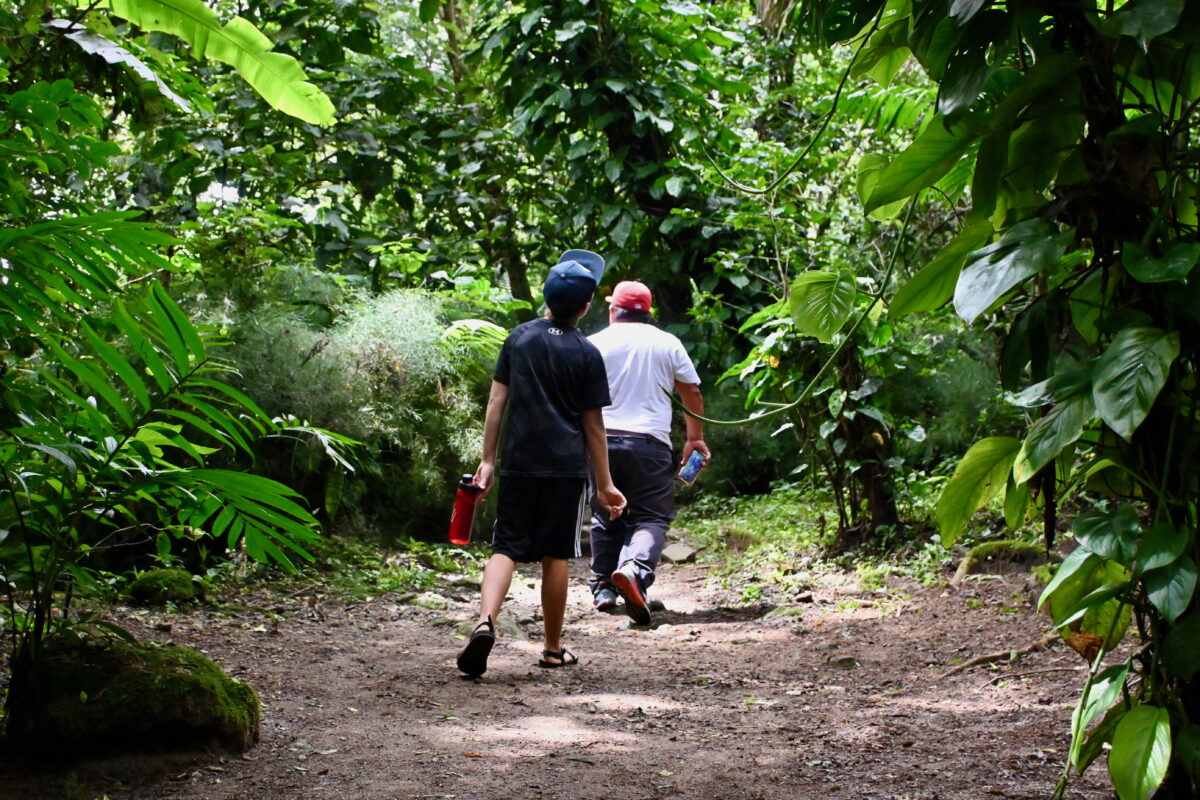
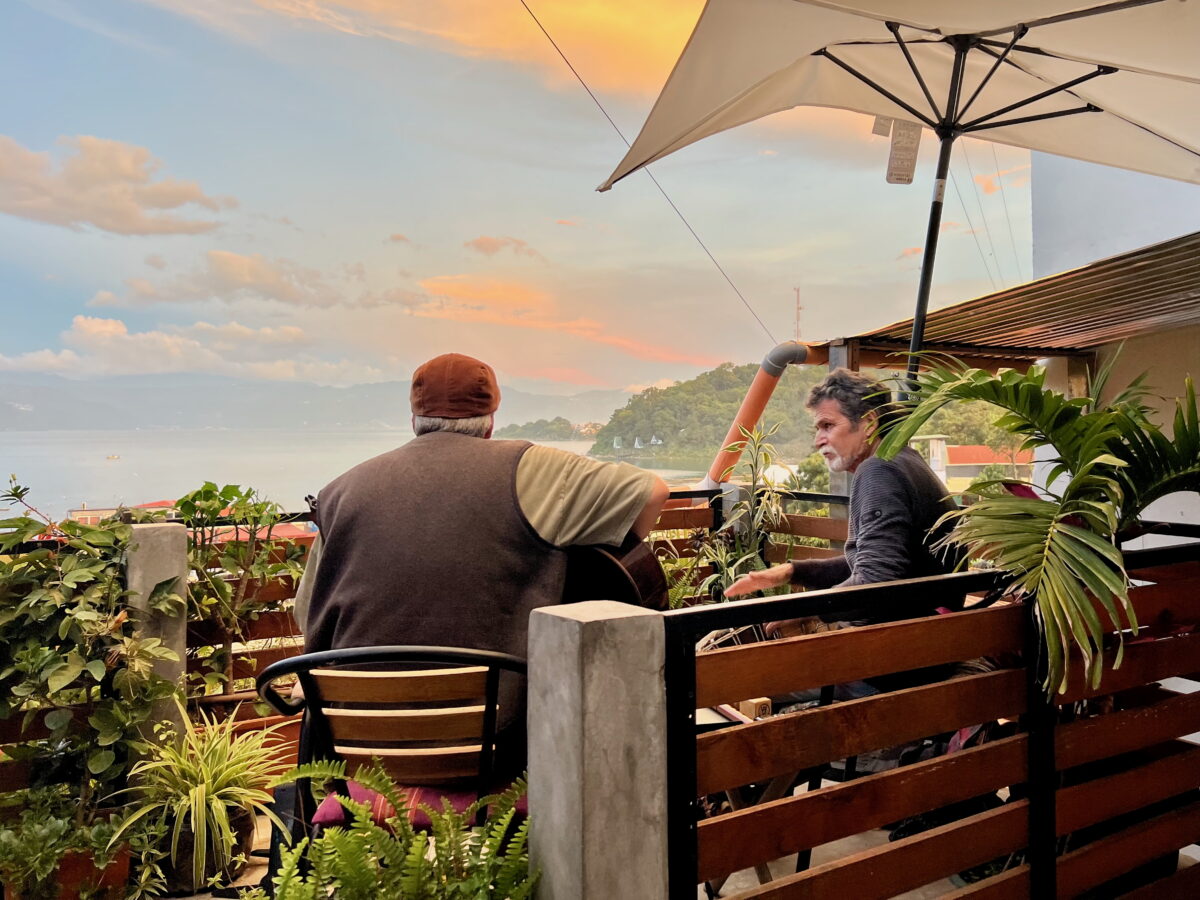
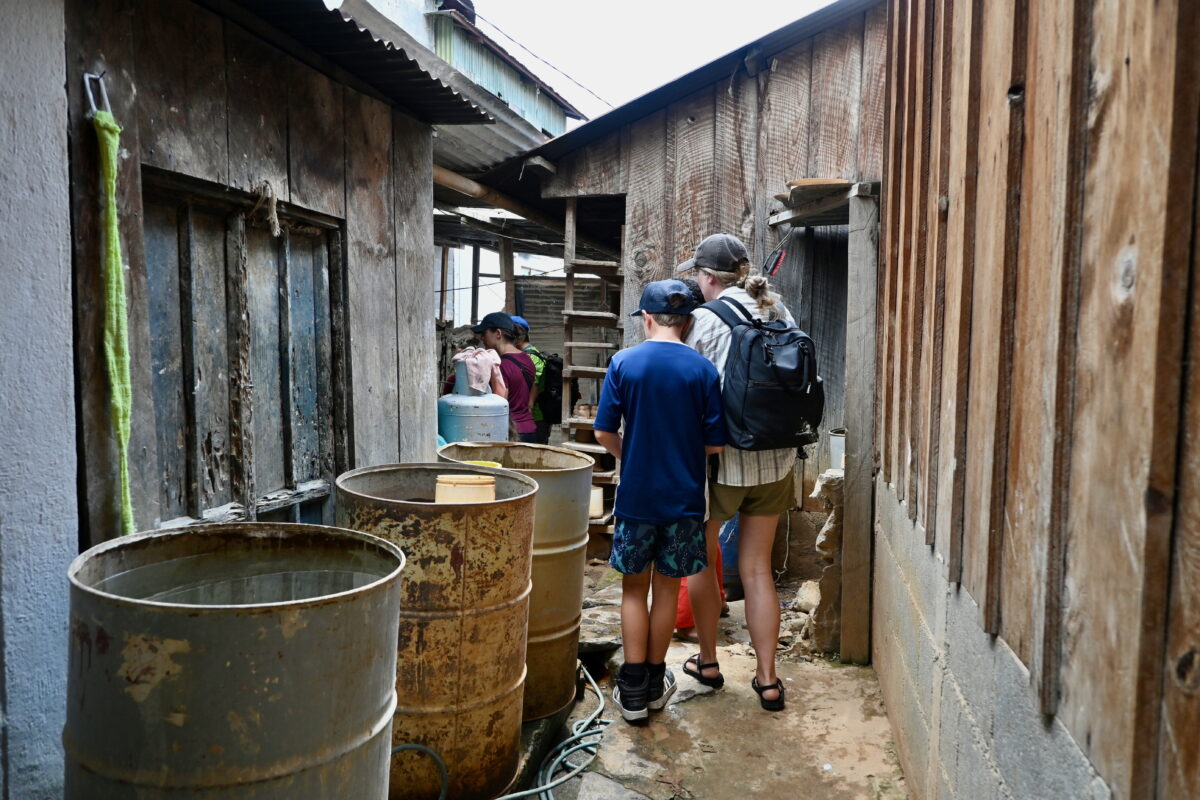
Through this process, we also saw our privilege. We saw how the locals live and were surprised by the contrast between their “normal” lives and what we had considered “normal” while living in the US (though, I guess “normal” is resetting for us each place we land as we settle-in to slow travel life and mostly avoid the touristy expat-friendly amenities). Part of this privilege is the pace of life – things move much slower because there aren’t as many modern conveniences. We take for granted how little it takes to fill an entire bathtub with 50 gallons of perfectly hot, (and perfectly potable) water which we then lay in and send down the drain. Bathtubs are not common in Guatemala. Neither are hot showers. The families we visited were thankful to have their non-potable water turned on for a few hours each week so they can fill a rooftop tank for dishwashing. Bathing in the lake is still a common practice.
One of the most incredible parts of our time in Guatemala was getting to know the people; their stories, their lives, their kids. The Culture Chalk program was specifically designed to introduce us to the local Guatemalan community and featured weekly “family events” which were quite different week-to-week. We walked the city with our host family, played futból with their kids, and shared a pot of afternoon coffee while sharing stories, asking questions about each other’s lives and fumbling through broken second (or sometimes third) language barriers.
We met many locals who are now friends, sharing life on WhatsApp, or checking in to say hi. We’ll get voice notes from their kids who dearly miss our kids and want to stay connected. The connections we made while there are interestingly so much deeper and easier to make than what we experienced in the US. People want to connect. They care to get to know you. They aren’t afraid to share life with you and are genuinely curious about yours.
During our time here, we also learned about some real needs within the community. Sometimes it’s a pair of hands to help move or fix something. Sometimes it’s a full home renovation that includes installing functional toilets and basic plumbing. Our family was specifically drawn to the nutritional needs of families and their kids; getting the right vitamins and minerals is much easier in developed countries, but high-quality food is much less affordable here when incomes are low and varying degrees of poverty are common. If you come to Guatemala, be prepared to fall in love with the people and contribute however you can. Small things like bringing hard-to-find medicines or vitamins from your home country (within customs limits) can make a huge impact on their quality of life. There are also some great organizations and grassroots groups who can help you find a way to plug in.
This connection though, is the hardest part of the experience. We didn’t consider how our roots would drive down into this rich soil, but – just like a transplant – it’s in our nature. We crave connections to the soil we’re in. That’s how we thrive. It’s a connection between root and soil that creates growth and while it was tough to say goodbye, we’re forever grateful for the time we spent in Guatemala. Thanks again to our friends (true friends) at Culture Chalk who gave us this beautiful, meaningful experience. We’re truly grateful.